Flatbed Hire Reading
Call +44 20 8154 5320

Reading self-drive dropside hire

Dropside and flatbed hire in Reading, planned from registration to return

Open-bed dropside hire for Reading householders, trades and businesses. This page covers choosing a size, checking licence and weight limits and restraining the load. It also explains how to plan red-route unloading around the confirmed registration of your hire vehicle, with a receiving team ready when you arrive.

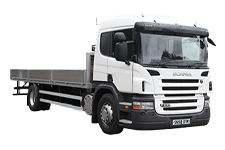
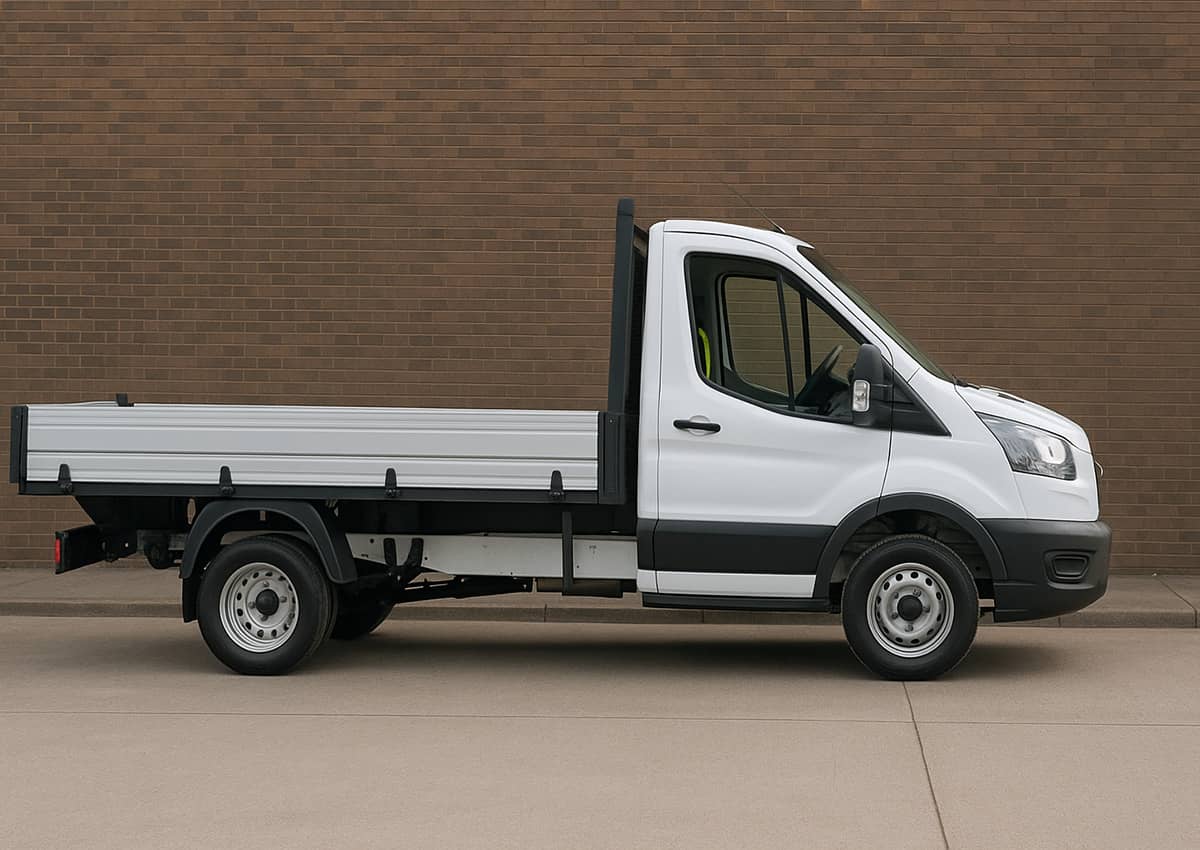
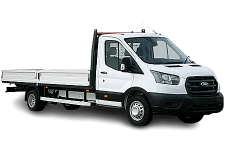
Representative flatbed truck; allocated vehicle must be confirmed

Speak to the flatbed booking team

+44 20 8154 5320

Choose from the load, not the badge

Flatbed and dropside options for Reading

These are representative vehicle categories. Weight class is not cargo payload: the allocated vehicle’s actual payload, bed dimensions, equipment, driver requirements and availability must all be confirmed before booking.

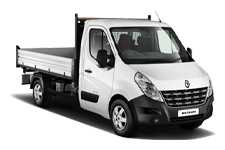
3 metre dropside van hire category

Flatbed and dropside category

3 metre dropside van

A compact open-bed category with folding sides for trade loads and sites where a larger lorry would be awkward.

  • timber, fencing and boards
  • bagged or palletised materials
  • tools and smaller machinery
Cargo payload
1100 kg (representative)
Bed length
3 m (representative)

The published 1,100 kg figure is representative only. Confirm the allocated vehicle's payload, bed width and load restraint.

Enquire about this vehicle
4 metre dropside van hire category

Flatbed and dropside category

4 metre dropside van

A longer open-bed category for loads that need more deck length or side access than the shorter dropside.

  • long timber and pipe
  • palletised site supplies
  • event and landscaping materials
Bed length
4 m (representative)
Bed width
2 m (representative)

Published dimensions are representative. Confirm actual payload, body dimensions and overhang rules before booking.

Enquire about this vehicle
Dropside with tail lift hire category

Flatbed and dropside category

Dropside with tail lift

An open-bed option to discuss when a suitable tail lift may help with palletised or wheeled goods.

  • palletised loads
  • wheeled equipment
  • destinations without a loading dock
Bed length
4 m (representative)
Bed width
2 m (representative)

Tail-lift capacity is not vehicle payload. Confirm both figures, platform size, pallet-truck use and unloading surface.

Enquire about this vehicle
7.5 tonne dropside lorry hire category

Flatbed and dropside category

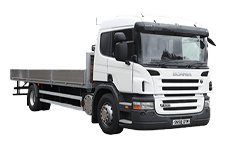
7.5 tonne dropside lorry

A larger dropside category for longer, heavier or multi-pallet loads when the route, driver and unloading plan suit a lorry.

  • scaffolding and pipe
  • multiple pallets
  • larger machinery and site supplies
Gross weight class
7.5 tonnes gross vehicle weight
Bed length
6 m (representative)
Bed width
2.35 m (representative)

C1 entitlement and possible commercial-use requirements apply. Confirm actual payload, bed dimensions and operating conditions.

Enquire about this vehicle
Phone-led matching
Discuss the load, route, access, driver and dates before a category is proposed.
Booking confirmation
Availability and final terms are confirmed during the booking process.
Address-level checks
Delivery and collection depend on the exact postcode, access and safe standing space.
Terms kept visible
Mileage, insurance, deposits and permitted use vary and must be checked for the hire.

Planning flatbed hire in Reading

In Reading, a job with an open-bed vehicle often depends as much on timing as on size. A dropside suits timber, fencing, pallets of block, lengths of pipe and bulky equipment that needs loading from the side or rear. It works just as well for a householder rebuilding a garden as for a tradesperson moving site stock or a business shifting equipment between premises.

This page follows the order that matters in practice. First confirm which vehicle you are getting, then seek any kerbside permission on a red route. After that, choose a body and weight class you are licensed to drive, measure the load, organise the people at the delivery end and hand the vehicle back in good order. Treat every figure here as a starting point, and check it with the supplier for the vehicle you are actually given.

Registration first, then the red-route request

Your delivery address may be on a Reading red route, and unloading at the kerb may be the only practical way to move a heavy item. If so, the council's dispensation process depends on a detail that many hirers overlook. The request needs a valid vehicle registration, and the council cannot process a request without one. With self-drive hire, the exact vehicle is often assigned close to collection, so you may not know the registration when you first book.

Ask the supplier early when they will confirm the registration of your actual vehicle, and whether it could change. The council asks for at least six working days to process a request, and the day it receives the request counts as one of them. Work backwards from your planned unloading date. Sending a request does not mean you have permission. Wait for approval before you fix a delivery slot with a merchant, lifting crew or customer, and keep your hire dates flexible until approval arrives.

Sources: Reading Council: red routes

Essential unloading, not a convenient place to stop

A dispensation is meant for genuine need, such as setting down an item that is too heavy or bulky to carry from a legal loading place further away. The council does not grant it just because stopping outside is easier. Describe the job honestly: what you are moving, why it cannot be handled elsewhere and how long the work will take.

If you get approval, it covers only the approved location, date, time and purpose. It does not allow general parking or waiting with the engine running. Plan the job so the vehicle arrives ready to unload, the team is already there and the restraints come off in a controlled order. When the approved work is finished, move somewhere you are allowed to stop rather than staying while paperwork is signed. Check the signs on the day, because they decide what is allowed at that spot.

Sources: Reading Council: red-route dispensation terms

Matching the dropside to the load

Start with the longest and heaviest items rather than the total volume. A 3 metre dropside is the compact choice for fencing, boards, bagged materials and smaller machinery, and it is easier to position on tight residential streets. A 4 metre body, usually listed at around 2 metres wide, suits longer timber and pipe or a couple of pallets that need side access. These bed lengths are typical of each category, so confirm the dimensions of the vehicle you are given.

A dropside with a tail lift is worth asking about for pallets or wheeled goods if there is no loading dock at the delivery end. The lift's rated capacity is a separate figure from the vehicle's payload, so confirm both, along with the platform size. A 7.5 tonne dropside, typically listed with a bed of about 6 metres by 2.35 metres, handles scaffolding, several pallets and larger machinery. It only makes sense when the route, the driver's licence and the unloading plan all suit a lorry. If weather protection matters more than side access, a Luton or curtainside may suit you better.

Sources: Nationwide Hire UK: 3 metre dropside, Nationwide Hire UK: 4 metre dropside, Nationwide Hire UK: dropside with tail lift, Nationwide Hire UK: 7.5 tonne dropside

Licence entitlement, gross weight and payload

Gross vehicle weight, also called maximum authorised mass, is the most the vehicle may weigh when loaded. It is normally shown on the plate or sticker. Payload is what is left for your goods once you allow for the vehicle itself, fuel, driver, passengers, pallets and packaging. A 3.5 tonne dropside does not carry 3.5 tonnes of goods, and a published payload for a category is only a guide to the vehicle you actually receive.

Licence categories follow the weight on the plate. A standard car licence generally covers vehicles up to 3.5 tonnes maximum authorised mass. Vehicles above that, up to 7.5 tonnes, need C1 entitlement. Check the categories on each driver's current licence, and ask the supplier about any age, experience or commercial-use conditions they apply. On a job with several drops, unloading part of the load can move weight from one axle to another. Rearrange the load before you carry on, and use a weighbridge if you are unsure.

Sources: GOV.UK: vehicle weights explained, GOV.UK: driving licence categories, DVSA: HGV overloading basics

Measuring the load and choosing restraint

Before booking, list each item with its length, width, height and weight, and note anything that will stick out beyond the bed. Loads that overhang at the back or sides may need marking and, in some cases, advance notice to the authorities. Check the current official guidance against your measured load rather than guessing on the day.

A load must be loaded safely, secured for the journey and unloaded safely. It cannot rely on its own weight or on friction to stay in place. Ask what anchor points the vehicle has, and whether straps, chocks, anti-slip matting or a headboard come with the hire or you need to bring your own rated equipment. Sheeting and rope hooks are not anchor points for load restraint. Inspect the platform, sides and anchor points before loading, and check strap tension again after the first few miles and after every drop.

Sources: DVSA and DfT: overhanging loads on vehicles, DVSA: securing loads on HGVs and goods vehicles, DVSA: load securing basics, DVSA: ways to secure a load

Organising the receiving team and side unloading

The delivery end needs as much planning as the pickup. Agree in advance who will be there, what they will lift and what equipment they will use. Choose a clear, level place to stand the vehicle so it sits as steadily as possible. Keep people away from the area beside the vehicle when a side is lowered, because a load that has shifted can fall as the side opens.

Unload in an order that keeps the rest of the load balanced and restrained, and release only the straps for the item you are moving. Heavy boards and pallets are better handled with suitable lifting aids than by hand. If you use a tail lift, follow the manufacturer's operating instructions and keep both the platform and the ground beneath it clear. On a red route, having the team ready before you arrive is what keeps the job inside its approved time window.

Sources: HSE: safe loading and unloading

Benefits, conditions and returning the vehicle

Self-drive dropside hire lets you choose your own timing, and you can load from the side, which a box van does not allow. Those benefits come with conditions. You are responsible for the load, for staying within the plated weights and for returning the vehicle as agreed. Your supplier's confirmed booking documents set the rules on deposits, mileage, insurance, fuel and damage. Read them rather than relying on another company's published terms.

Before you return the vehicle, sweep any debris off the bed, raise and latch all the sides and take off your own straps. Photograph any damage. Return the vehicle at the agreed time, because a late return can affect the next hire or your charges. Keep your permission paperwork and delivery notes together until the whole job is finished.

Sources: Third-party reference: Nationwide Hire UK terms and conditions
Full truck range

Other vehicles to ask about

If an open-bed flatbed is not the right body type, the booking team can discuss these adjacent commercial categories. Every card is an enquiry category rather than a promise that a particular model is locally stocked.

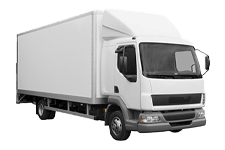
3.5 tonne Luton box with tail lift hire category

Other vehicle category

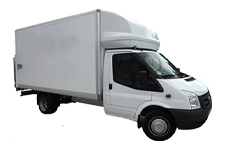
3.5 tonne Luton box with tail lift

Enclosed box-body category for bulky removals and deliveries where weather protection and assisted loading matter.

Confirm internal dimensions, payload and tail-lift capacity for the allocated vehicle.

Enquire about this vehicle
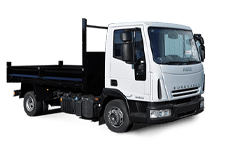
3.5 tonne tipper Transit hire category

Other vehicle category

3.5 tonne tipper Transit

Compact tipping-body category for suitable loose materials and site work.

Waste carriage, destination acceptance, payload and tipping conditions must be confirmed.

Enquire about this vehicle
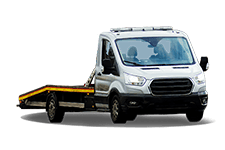
3.5 tonne recovery truck hire category

Other vehicle category

3.5 tonne recovery truck

Vehicle-transport category with a recovery bed and winch, subject to the carried vehicle's measured weight.

Confirm recovery use, bed rating, carried vehicle weight, licence and insurance before booking.

Enquire about this vehicle
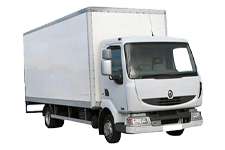
7.5 tonne box truck with tail lift hire category

Other vehicle category

7.5 tonne box truck with tail lift

Larger enclosed-body category for commercial deliveries and removals with assisted loading.

Confirm C1 entitlement, payload, internal body dimensions and tail-lift capacity.

Enquire about this vehicle
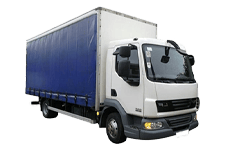
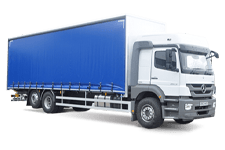
7.5 tonne curtainside truck hire category

Other vehicle category

7.5 tonne curtainside truck

Curtainside body for side access to palletised goods while retaining weather protection.

Confirm C1 entitlement, payload, curtain/body dimensions and load restraint.

Enquire about this vehicle
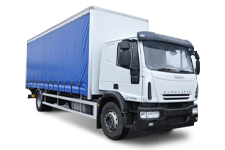
7.5 tonne dropside truck hire category

Other vehicle category

7.5 tonne dropside truck

Open-sided lorry category for bulky building materials, timber and machinery.

Confirm C1 entitlement, actual payload, bed dimensions, route and unloading method.

Enquire about this vehicle
7.5 tonne tipper truck hire category

Other vehicle category

7.5 tonne tipper truck

Larger tipping-body category for appropriate aggregates, soil and site materials.

Confirm C1 entitlement, operator position, payload, waste rules and tipping-site conditions.

Enquire about this vehicle
7.5 tonne sleeper tail-lift truck hire category

Other vehicle category

7.5 tonne sleeper tail-lift truck

Longer-distance box or delivery category combining a sleeper cab and tail lift.

Confirm body type, sleeper provision, payload, tail-lift capacity and driver requirements.

Enquire about this vehicle
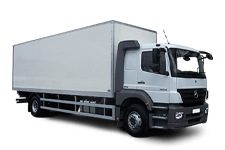
18 tonne box truck hire category

Other vehicle category

18 tonne box truck

Heavy enclosed-body category for larger commercial transport and distribution requirements.

Specialist heavy-vehicle licensing, operator, insurance and availability checks apply.

Enquire about this vehicle
18 tonne curtainside truck hire category

Other vehicle category

18 tonne curtainside truck

Heavy curtainside category for larger palletised or industrial loads needing side access.

Confirm payload, body dimensions, route restrictions and commercial operating requirements.

Enquire about this vehicle
26 tonne curtainside truck hire category

Other vehicle category

26 tonne curtainside truck

High-capacity rigid curtainside category for substantial commercial loads.

This is a specialist heavy-vehicle enquiry; confirm all operator, driver, route and payload conditions.

Enquire about this vehicle
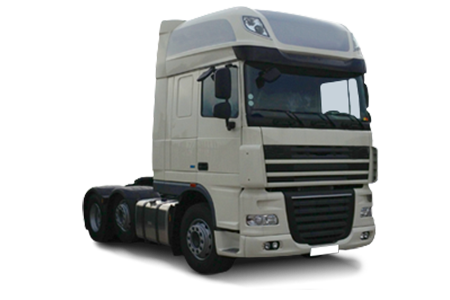
44 tonne articulated truck hire category

Other vehicle category

44 tonne articulated truck

Articulated heavy-goods category for specialist large-scale freight and long-distance commercial work.

Specialist operator, driver, site-access, route, insurance and load-planning requirements apply.

Enquire about this vehicle

Quote checklist

Have the whole job ready

A useful quote begins with the measured load and both ends of the journey.

Flatbed hire questions for Reading

Can I ask Reading Council for red-route dispensation before my hire vehicle is allocated?

Not usefully. The council needs a valid registration and cannot process a request without one. Ask the supplier when they will confirm your vehicle's registration, then apply once you have it rather than sending an incomplete request.

How far ahead should I plan kerbside unloading on a Reading red route?

Allow at least six working days for the council to process the request, counting the day it arrives. Approval is not guaranteed. Do not fix a delivery slot with a merchant or customer until you actually have permission.

Once I have dispensation in Reading, can I wait on the red route while the customer checks the delivery?

No. Dispensation covers only the approved location, date, time and purpose, and it does not allow general parking or waiting with the engine running. Finish unloading, then move somewhere you are allowed to stop before dealing with paperwork.

Which licence do I need to drive a 7.5 tonne dropside for a Reading job?

Vehicles above 3.5 tonnes and up to 7.5 tonnes maximum authorised mass generally need C1 entitlement. Check the categories on your own licence against the vehicle's plate, and ask the supplier about any extra conditions they apply.

If a dropside has a tail lift, can I load it up to the lift's rating?

No. The tail lift's rating only tells you what the lift can raise. The vehicle's payload is a separate limit based on its plated gross weight. Confirm both figures for the vehicle you are given, and stay within the lower one for each item you lift.

Local sources and supporting guidance

Check current rules and the destination signs before travelling. Category specifications are examples, not allocated-vehicle guarantees.